By BANNERNEWS Reporter, Lafia
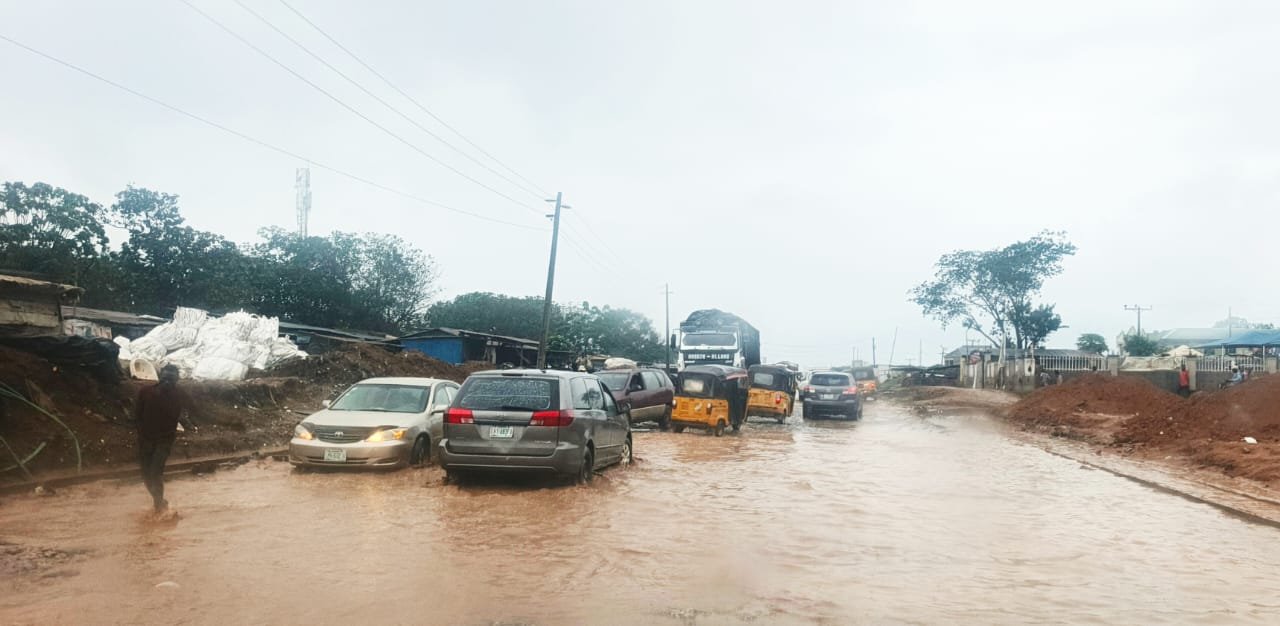
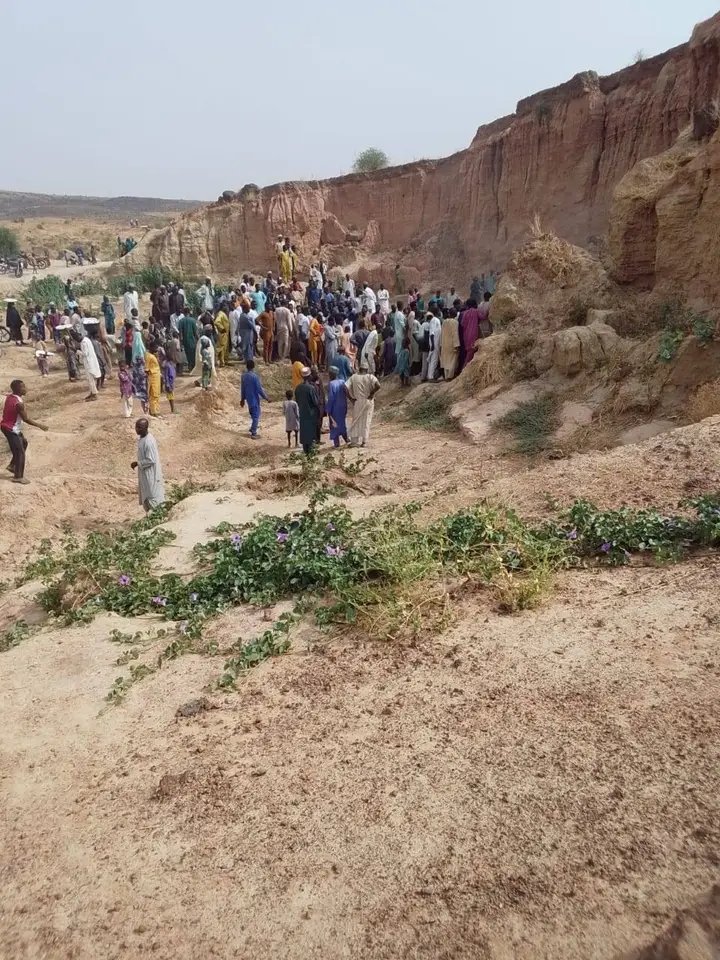
The Nasarawa State Government has announced plans to enforce the relocation of residents living in flood-prone communities as part of measures to prevent deaths and destruction of property during the 2026 rainy season.
Commissioner for Environment and Natural Resources, Princess Margaret Elayo, disclosed this on Saturday in Lafia while addressing journalists after the April monthly sanitation exercise.
She said several high-risk communities across Doma, Nasarawa, Toto, Awe and Lafia Local Government Areas had been identified as vulnerable to annual flooding caused by the River Benue and its tributaries.
According to her, the decision followed warnings by the Nigerian Meteorological Agency (NiMet) and the state’s previous flood experiences, which resulted in heavy losses of lives and property.
Elayo said the government was working closely with local government chairmen and traditional rulers to ensure affected residents relocate to safer areas before the peak of the rains.
“We are partnering with the chairmen of local government areas and traditional rulers to show those affected by this relocation directive where they should go for safety,” she said.
“They should pick up their valuables and leave their houses for now so that when flooding eventually happens, no lives will be lost,” she added.
The commissioner also warned residents against dumping refuse in drainage channels and erecting structures on waterways, describing both practices as major causes of urban flooding.
She said the ministry had intensified public enlightenment through traditional rulers, religious leaders, community leaders and mass media campaigns to educate residents on flood prevention and environmental safety.
On the April sanitation exercise, Elayo expressed satisfaction with residents’ compliance, noting that a cleaner environment would help prevent disease outbreaks and improve public health.
Meanwhile, the ministry’s Chief Prosecutor Officer, Abubakar Mohammed, said 106 persons were arrested across the state for violating sanitation laws by engaging in private business during the sanitation exercise.
He said the offenders were prosecuted by mobile courts for breaching Section 9(2) of the Nasarawa State Environmental Sanitation Law.