By BANNERNEWS Reporter, Calabar
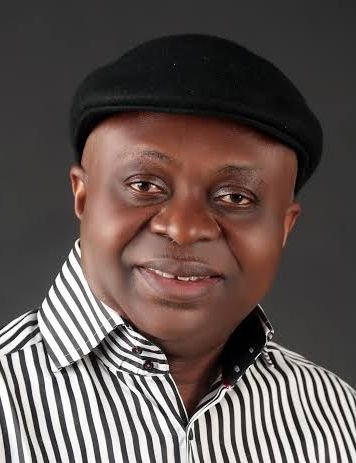
A chieftain of the African Democratic Congress, ADC, Mr Ekpo Okon, has accused the President Bola Tinubu-led Federal Government of failing to account for savings from petrol subsidy removal despite increasing the country’s borrowing.
Okon, a former chairman of the Peoples Democratic Party, PDP, in Cross River State and former governorship running mate, said Nigerians had yet to see corresponding improvements in infrastructure and public services despite the economic hardship occasioned by the government’s policies.
Speaking during an interview, he questioned the whereabouts of funds saved from subsidy removal and the proceeds of increased borrowing, arguing that budget implementation had remained poor.
He said, “They promised that they would save money from subsidy removal for development purposes. But today, the government has borrowed more than any other government we have ever experienced in this country. Where is the money?”
Okon who is the national coordinator of Atiku/Amaechi Campaign Organisation, said the removal of petrol subsidy and subsequent devaluation of the naira had increased transportation costs, food prices and the general cost of living.
He also faulted the government’s education financing policy, arguing that increasing university fees before introducing the Nigerian Education Loan Fund, NELFUND, had further burdened families already struggling financially.
According to him, government should prioritise affordable education rather than compel students from financially distressed homes to depend on loans to complete their studies.
On the party’s proposed alternative, Okon said the ADC favoured supporting local refineries through discounted crude oil supplies to reduce the cost of petroleum products.
He argued that Nigeria should stop subsidising imported petroleum products but could make locally refined products cheaper by selling crude oil to domestic refineries at reduced rates.
Okon said the arrangement would enable local refiners to supply petroleum products at more affordable prices, with the benefits eventually reaching ordinary Nigerians through marketers.
He urged Nigerians to assess the consequences of current economic policies and decide whether they wanted the country to continue on its present path.