By BANNERNEWS Reporter
Over the past three years, more than 73,000 Cross River State residents have benefited from medical treatments and consultations provided by experts from Médecins Sans Frontières (MSF).
The international medical organization concluded its three-year project last year, handing over full operations to the Cross River State Ministry of Health. The initiative, launched in May 2022, aimed to provide free, comprehensive healthcare to remote communities near the Nigerian-Cameroonian border.
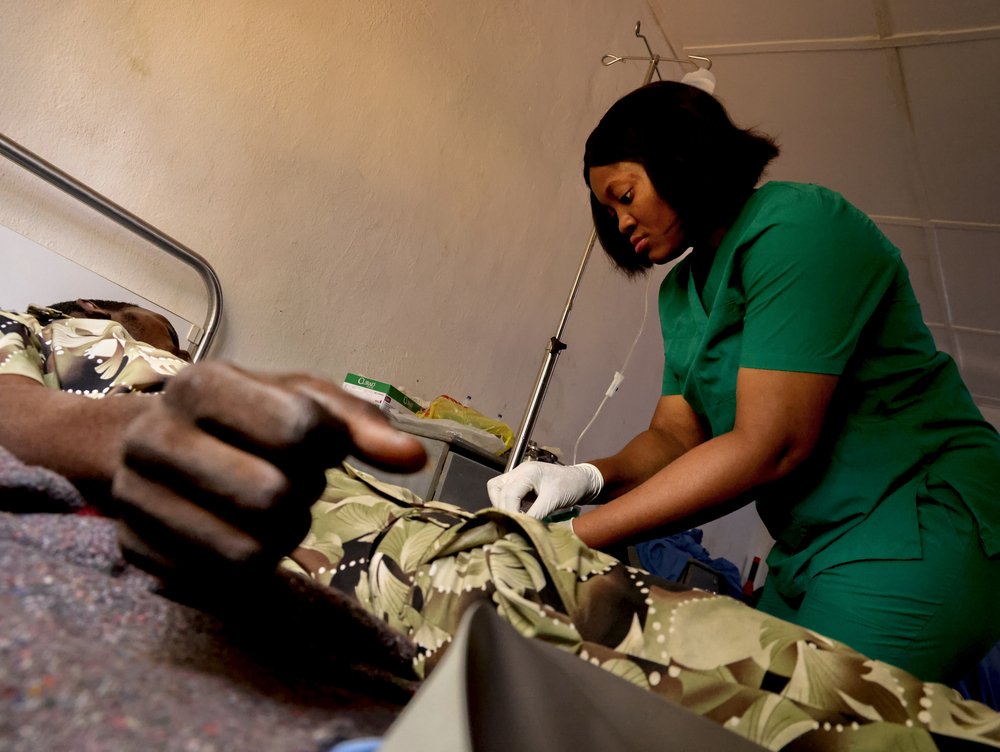
Residents of Akor and Old Ndibeji communities in Akampa Local Government Area were the primary beneficiaries. At least 8,000 patients were placed under close observation, while critical cases were referred to tertiary hospitals in Calabar for further treatment.
MSF supported 2,123 deliveries, conducted 3,887 antenatal consultations, offered 5,776 family planning sessions, and administered 9,303 vaccinations. Malaria was identified as the leading cause of illness, with nearly 30,000 cases treated alongside injuries, respiratory infections, and typhoid fever.
During its operations, MSF strengthened two primary healthcare centers, addressing critical gaps in medical access. The organization also donated essential medical supplies before transferring full control to the state health authorities.
For community members like Achifone Felix, MSF’s presence was life-saving. “MSF has helped me survive. I have high blood pressure, and when I came here, MSF attended to me and provided free medication. Without their support, many of us would not be alive today,” he said.
MSF also prioritized training and capacity building for local healthcare staff. Owen Helen, a Ministry of Health nurse, explained, “When I finished school, I had no experience in patient consultation. Working with MSF, I gained skills to manage patients confidently, perform procedures, and provide family planning services independently.”
The facilities offered basic emergency obstetric and newborn care. On average, MSF teams managed 54 deliveries each month and referred 20 to 40 women with complications to Calabar tertiary hospitals. The journey, often eight to twelve hours during the rainy season, was fully covered by MSF, including medical bills, transport, and food.
Residents praised the support. “My uncle fell seriously ill at night, and MSF nurses stabilised him by morning. They later arranged his transfer to Calabar Teaching Hospital, all free of charge,” said Alhaji Abdulwahab Achigi of Old Ndibeji.
The project adopted a community-based health approach, reaching 17 communities through house-to-house health promotion, referrals, and follow-up care. Despite challenges such as long distances and seasonal road disruptions, MSF provided quality care and lifesaving support to thousands.
Reflecting on the project, MSF Project Coordinator Meria Nadje said, “When we started in 2022, the need was overwhelming. Today, looking back at thousands of consultations, deliveries, and lives saved, it’s clear this project made a real difference.”
MSF has provided medical care in Nigeria since 1996 and currently operates in eight states across the country. Guided by principles of impartiality, independence, and neutrality, almost all funding for its work comes from private donors.