By BANNERNEWS Reporter
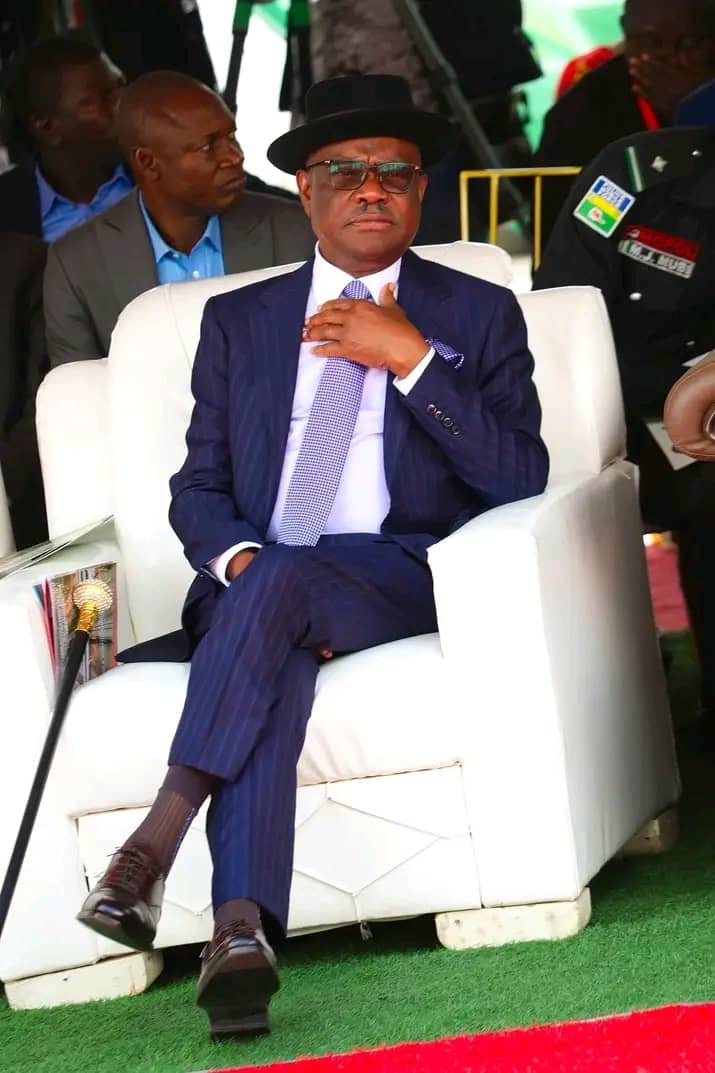
The storm trailing the incendiary remark by Federal Capital Territory Minister, Nyesom Wike, has refused to abate, as the Nigeria Union of Journalists (NUJ) and legal practitioner, Justice Osai Ahiakwo, have condemned his violent outburst and threat to shoot a broadcast journalist, Seun Okinbaloye.
The Union and legal expert delivered blistering condemnations of what they describe as a dangerous descent into reckless leadership.
At the centre of the outrage is Wike’s chilling statement during a live television appearance, where he declared that if it were possible, he “would have shot” Okinbaloye who is an anchor at Channels Television.
Wike’s comment, widely condemned as reprehensible and unbecoming.
In a strongly worded statement, signed by its national president,
Alhassan Yahya Abdullahi, the NUJ said it was “profoundly shocked and outraged” by what it termed a direct threat against the media, warning that such utterances from a senior government official strike at the heart of democracy and press freedom.
The union revealed it initially withheld its reaction, hoping the minister would show remorse and retract the statement. That silence, however, has only deepened suspicion.
According to the NUJ, the absence of an apology suggests the comment was not a slip, but a deliberate attempt to intimidate.
Describing the remark as “reckless and violent,” the NUJ warned that it sends a chilling signal to journalists across the country—that critical reporting could attract hostility, threats, or worse.
NUJ insisted that no democracy can survive where the press operates under fear.
The union demanded an immediate and unreserved apology from Wike, urging the Federal Government to condemn the statement unequivocally and take concrete steps to guarantee the safety and independence of journalists.
It further called on media organisations, civil society groups and democratic advocates to rise in unison against what it labelled a blatant assault on free expression, stressing that silence in the face of such threats would only embolden abuse of power.
Also reacting in equally strong worded statement, Justice Osai Ahiakwo, offered a deeper, more damning reflection—one that cuts into the character of leadership itself.
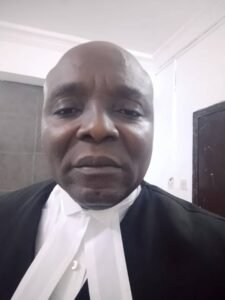
In his statement titled “Humane Leadership and the Discipline of Restraint,” Ahiakwo argued that Wike’s comment is not an isolated outburst but a symptom of a troubling leadership culture where power speaks without thought and authority is confused with aggression.
He warned that words from public officials are never ordinary, noting that they can either calm a nation or set it ablaze.
In his view, leadership stripped of restraint becomes a weapon, not a responsibility.
Drawing a sharp contrast, Ahiakwo invoked the enduring example of former President Goodluck Jonathan, whose famous declaration that his ambition was not worth the blood of any Nigerian remains a benchmark for measured leadership in moments of tension.
He also pointed to global figures like Nelson Mandela and Abraham Lincoln, who, despite immense pressure, chose restraint over rage—demonstrating that true strength lies not in threats but in control.
According to Ahiakwo, when leaders resort to combative language, the damage extends beyond rhetoric. It gradually reshapes political culture, lowers expectations, weakens institutions and silences meaningful dialogue.
He cautioned that a leader who jokes—or speaks—about violence creates uncertainty, while one who responds to scrutiny with hostility risks isolating himself from accountability and eroding public trust.
The lawyer’s intervention concludes with a stark warning: leadership without discipline diminishes the dignity of office, and words spoken in anger may fade, but their consequences linger—defining character, shaping legacy, and, in cases like this, staining the conscience of a nation.