By BANNERNEWS Reporter, Calabar
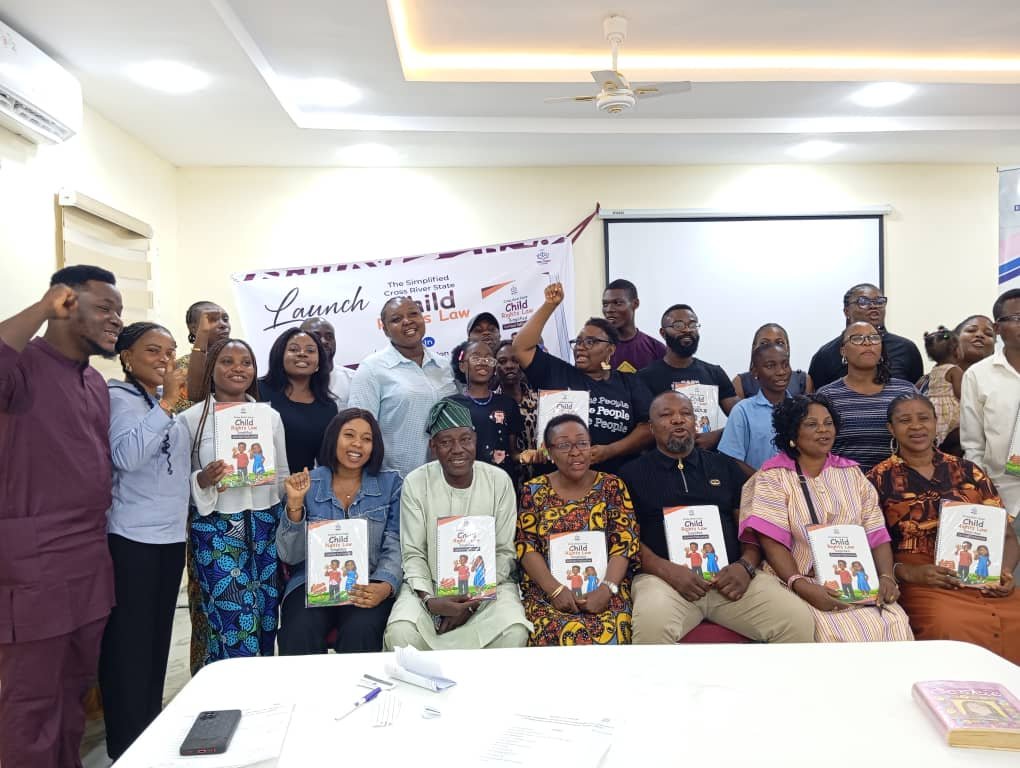
Civil society groups in Cross River State have shifted the spotlight to protection over punishment, unveiling a simplified version of the Child Rights Law to improve access, understanding and enforcement across communities.
The initiative, led by Rights Academy, was presented in Calabar to mark the International Day for Street Children, with stakeholders stressing the need to translate legal provisions into practical safeguards for vulnerable children.
Programme Coordinator of Rights Academy, Jude Edu, in a presentation titled “Protect Not Punish,” said children in street situations must be treated first as rights holders, not offenders, insisting that society must rethink approaches that criminalise vulnerability.
He cited the state’s Child Rights Law, which defines a child as anyone under 18, noting that children’s dependence on adults makes them inherently vulnerable, especially when family and social support systems collapse.
Edu listed key drivers of street life among children to include poverty, economic hardship, neglect, family breakdown, displacement, insecurity and harmful cultural practices such as witchcraft accusations, warning that weak enforcement and poor social welfare systems continue to worsen the crisis.
He called for full implementation of the law, stronger child protection systems, and structured interventions including rehabilitation, psychosocial support, family tracing, reintegration and access to education.
Co-founder of Basic Rights Counsel Initiative (BRCI), James Ibor, described the simplified law as a “major step,” noting that making legal provisions understandable to young people and community actors could significantly improve compliance and protection outcomes.
However, a representative of the Ministry of Women Affairs, Felicia Ofem, raised concerns over the sustainability of rehabilitation efforts, stating that many rescued children often return to the streets and that some are from neighbouring states.
Her position drew pushback from civil society actors, with Ukeme Ekong of We The People questioning the basis of such claims and urging government to prioritise data-driven assessments over assumptions.
Participants at the event called for a coordinated response, recommending the establishment of a dedicated task force, expanded rehabilitation services, clear implementation frameworks, and wider access to education and skills acquisition, alongside sustained public awareness campaigns.
Street Children: CSOs Push ‘Protect, Not Punish’ as C’River Unveils Simplified Child Rights Law