By BANNERNEWS Reporter
A coalition of civil society organisations comprising conservationists, environmentalists, biodiversity experts and forest community stakeholders has called for the immediate amendment of the Cross River State Forestry Law of 2010.
The groups made the demand on Wednesday in Calabar, insisting that the law, enacted 16 years ago, no longer reflects present environmental, economic and governance realities.
According to them, what is required is a comprehensive modernisation of the forestry legislation to align with contemporary conservation challenges and emerging economic opportunities.
They stressed that reforming the law goes beyond protecting trees, noting that it is critical to safeguarding biodiversity, sustaining livelihoods, stabilising the climate and securing the long-term economic future of the state.
Leaders of the coalition who addressed journalists included former Chairman of the Cross River State Forestry Commission, Dr Odigha Odigha; Dr Martins Egot; former lawmaker, Hon. Nelson Ofem; and Ken Henshaw of We The People.
The groups disclosed that after more than six months of consultations and technical engagements, they produced a document titled “Recommended Reviews of the Cross River State Forestry Law, 2010,” which outlines proposed amendments to the legislation.
They said plans were underway to formally engage and lobby the Cross River State House of Assembly to review and amend the law in the interest of sustainability and future generations.
In a joint statement, the organisations noted that although the 2010 law provided a framework for forest conservation and management, developments such as intensified climate change impacts, Nigeria’s international emissions commitments, rising forest crimes and expanding eco-tourism opportunities now demand an updated legal framework.
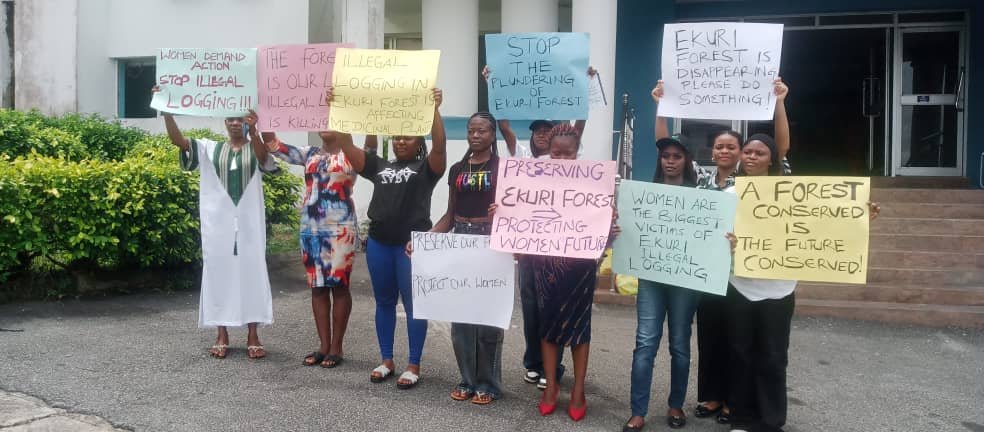
They raised concern over increasing deforestation across central and northern parts of the state, home to Nigeria’s largest and most biodiverse tropical rainforest ecosystem, calling for stronger deterrent measures against illegal logging and wildlife trafficking.
According to them, weak penalties and enforcement gaps have continued to encourage forest crimes, citing existing provisions that impose fines as low as ₦200,000 for offences involving seized logging trucks — sanctions they described as ineffective.
The coalition therefore recommended stricter and proportionate penalties, improved monitoring systems, enhanced inter-agency coordination, governance reforms, and greater inclusion of forest communities through co-management arrangements and recognition of traditional knowledge systems.
They also advocated the promotion of eco-tourism as a sustainable economic alternative capable of supporting conservation while boosting revenue for the state.